Transformer Winding Paper Insulation Guide - Chengrui Insulation
In modern power systems, transformers are pivotal for the transmission and distribution of electrical energy, making their stable and reliable operation paramount. However, transformers are subjected to multiple stresses—thermal, electrical, and mechanical—during their long operational life. The health of the insulation system directly dictates a transformer's performance and longevity. Insulation failure is one of the primary causes of transformer breakdowns, underscoring the critical importance of selecting and applying high-quality transformer winding paper insulation materials. This article will delve into the fundamentals of transformer winding paper insulation and provide an in-depth look at three advanced insulation materials: Thermally Upgraded Kraft Paper, Crepe Paper Tubes & Tapes, and DMD & NMN Composites. Our aim is to offer a comprehensive guide to material selection for optimizing transformer performance and extending equipment lifespan.
Fundamentals of Transformer Winding Paper Insulation
Transformer winding paper insulation refers to the paper-based materials used within transformer windings to electrically isolate conductors, provide mechanical support, and aid in heat dissipation. Its core function is to ensure electrical separation between internal components of the transformer, preventing short circuits and breakdowns, while also withstanding the mechanical stresses generated during winding operation. Traditional transformer insulation papers, such as standard electrical Kraft paper, have been widely used due to their cost-effectiveness and good dielectric properties. However, as transformers evolve towards higher voltages, larger capacities, and longer lifespans, the limitations of traditional insulation paper in terms of thermal stability, mechanical strength, and aging resistance have become increasingly apparent.
Key performance indicators (KPIs) are crucial for evaluating the suitability of insulation paper. These primarily include:
•Dielectric Strength: The ability to resist electrical breakdown under an electric field, a core indicator of electrical insulation performance.
•Mechanical Strength: The capacity to withstand tensile, compressive, and shear forces generated during the manufacturing, transportation, and operation of windings.
•Thermal Stability: The ability to maintain electrical and mechanical properties at high temperatures, directly influencing the rate of thermal aging and the transformer's lifespan.
•Oil Compatibility: Good compatibility with transformer oil, ensuring stable long-term operation in oil-immersed environments.
•Moisture Absorption: Lower moisture absorption helps maintain insulation performance and prevents water damage to the insulation system.
Analysis of Core Insulation Materials
1. Thermally Upgraded Kraft Paper (TUP)
Thermally Upgraded Kraft Paper (TUP) is an electrical insulating paper that has undergone special chemical modification. Compared to traditional Kraft paper, TUP significantly enhances the heat resistance of paper fibers by incorporating stabilizing agents, such as nitrogen-containing compounds. This process effectively slows down the aging rate in high-temperature oil-immersed environments, thermal class is E 120℃. The advent of TUKP has greatly propelled transformer design towards higher operating temperatures and extended service life.
The main advantages of TUP are:
•Superior Thermal Stability: TUP's thermal aging life is 2-3 times longer than that of standard Kraft paper. This means that transformers using TUKP can achieve a longer service life at the same operating temperature, or withstand higher operating temperatures for the same lifespan requirement. This is crucial for improving transformer overload capacity and coping with extreme operating conditions.
•Maintained Mechanical Strength: Despite the thermal upgrading process, TUP retains excellent mechanical strength, effectively resisting mechanical stresses from short-circuit currents and transportation, thereby ensuring the structural integrity of the windings.
•Excellent Oil Compatibility: TUKP exhibits good compatibility with transformer oil, without negatively impacting the oil's performance, ensuring the long-term stable operation of the insulation system in oil-immersed environments.
Application: TUP is widely used in power transformers, distribution transformers, and special-purpose transformers that demand high thermal stability, reliability, and extended lifespan, particularly suitable for high-load operations and equipment requiring longer maintenance intervals.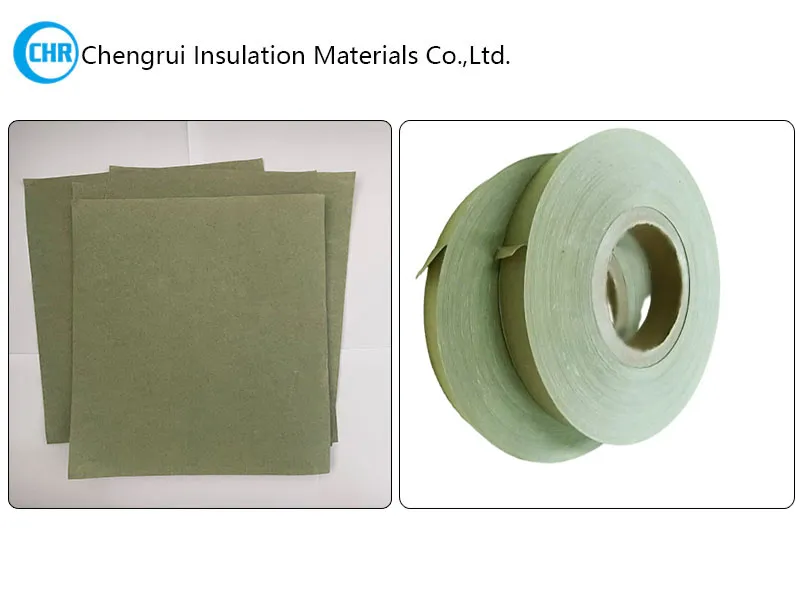
2. Crepe Paper Tubes & Tapes
Crepe Paper Tubes & Tapes are flexible insulating materials produced by creping electrical insulating paper through a special process. Their unique creped structure provides the material with exceptional elasticity and plasticity, making them indispensable in transformer insulation systems.
The advantages of Crepe Paper Tubes & Tapes primarily include:
•Outstanding Flexibility and Adaptability: The creped structure allows the paper to have an elongation of up to 300%, easily conforming to complex geometries, curved sections, and irregular surfaces within transformer windings. This effectively prevents insulation material from tearing during installation due to stretching, ensuring insulation continuity and integrity.
•Excellent Oil Impregnation Performance: The porous structure of creped paper facilitates rapid and thorough penetration of transformer oil, effectively expelling air from within the insulation material. This reduces the risk of partial discharges, thereby enhancing the dielectric strength and heat dissipation efficiency of the insulation system.
•Mechanical Protection and Cushioning: Crepe paper tapes can provide a certain cushioning effect within the windings, absorbing some mechanical vibrations and impacts, protecting conductor insulation. Their good inter-layer friction also helps improve the overall mechanical stability of the windings.
Application: Crepe paper tubes are commonly used for insulating winding leads, bushing leads, tap changer leads, and other areas requiring reliable electrical isolation and mechanical protection. Crepe paper tapes are widely applied in inter-layer insulation, end insulation, corner reinforcement insulation, and other areas requiring flexible wrapping within windings.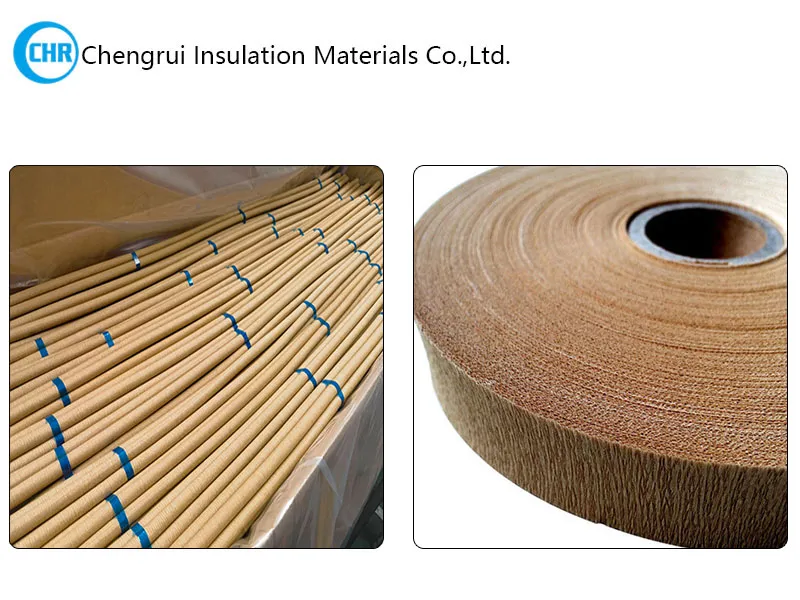
3. DMD Composite Material & NMN Composite Material
DMD (Dacron-Mylar-Dacron) and NMN (Nomex-Mylar-Nomex) composites are high-performance laminated insulating materials, formed by bonding different types of insulating films and fibrous papers. These composites combine the advantages of their individual components, providing transformers with superior electrical, thermal, and mechanical properties.
•DMD Composite Material: Typically consists of a polyester film (Mylar, i.e., PET film) sandwiched between two layers of polyester non-woven fabric (Dacron). The polyester film provides high dielectric strength and good mechanical properties, while the polyester non-woven fabric enhances the material's softness, oil absorption, and adhesion to resins.
•NMN Composite Material: Composed of a polyester film (Mylar) sandwiched between two layers of aramid paper (Nomex). Aramid paper is renowned for its extremely high thermal rating, excellent mechanical strength, and flame retardancy. Combined with the dielectric properties of the polyester film, NMN composites perform exceptionally well under extreme operating conditions.
The common advantages of DMD and NMN composites include:
•High Dielectric Strength: The composite structure effectively enhances the material's electrical insulation performance, allowing it to withstand higher voltage stresses and provide reliable electrical isolation for transformers.
•Excellent Thermal Stability: Especially NMN composites, due to the inclusion of aramid paper, have a much higher thermal rating than ordinary insulation paper. They are suitable for H-class and even higher temperature class transformers, significantly extending the transformer's service life in high-temperature environments.
•Superior Mechanical Strength and Abrasion Resistance: The laminated structure of composite materials provides excellent tear resistance, tensile strength, and abrasion resistance, enhancing the overall structural stability of the windings and effectively resisting mechanical stresses during operation.
•Good Moisture Resistance: Compared to pure paper insulation, DMD and NMN composites offer better moisture resistance, maintaining their insulating properties more effectively in humid environments.
Application: DMD and NMN composites are widely used in dry-type transformers and oil-immersed transformers for inter-layer insulation, slot insulation, phase-to-phase insulation, and lead insulation. NMN composites are particularly suitable for special transformers and high-voltage equipment with extremely high thermal rating and reliability requirements.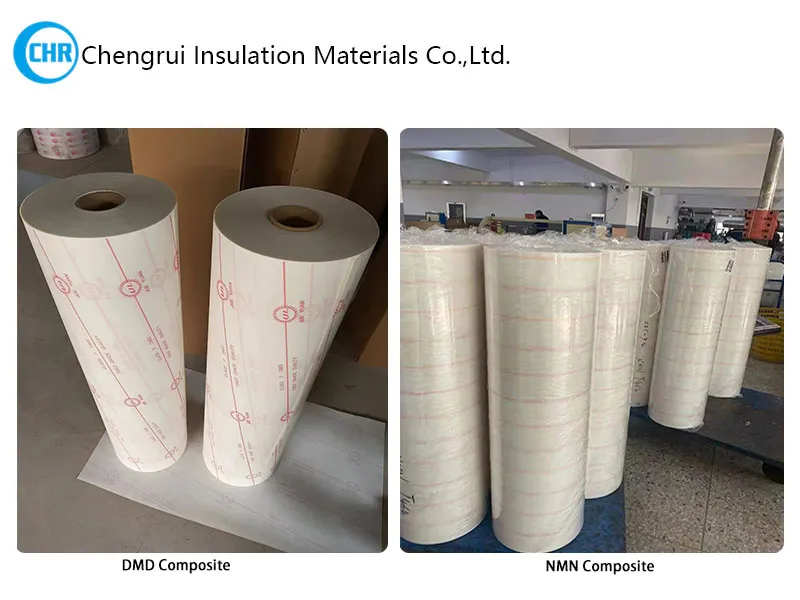
How to Choose the Right Transformer Winding Paper Insulation Materials
Selecting the appropriate transformer winding paper insulation materials is a comprehensive process that requires balancing various factors based on the specific design requirements, operating environment, and performance objectives of the transformer. Here are several key considerations:
•Transformer Type and Operating Environment: Oil-immersed transformers and dry-type transformers have different insulation material requirements. Oil-immersed transformers need materials compatible with transformer oil and capable of thorough oil impregnation; dry-type transformers prioritize materials with good heat resistance, flame retardancy, and mechanical strength.
•Temperature Class and Life Expectancy: Based on the transformer's design temperature rise and desired lifespan, select insulation materials with the corresponding thermal class. For instance, transformers requiring extended life or operating at high temperatures should prioritize Thermally Upgraded Kraft Paper or NMN composites.
•Voltage Level and Dielectric Performance: High-voltage transformers demand insulation materials with higher dielectric strength and lower dielectric loss to ensure electrical safety.
•Mechanical Stress and Structural Requirements: The complexity of winding structure and the impact forces from short-circuit currents all impose demands on the mechanical properties of insulation materials. For areas requiring flexible adaptation to complex shapes, Crepe Paper Tubes & Tapes are ideal; for structures needing high mechanical support, composite materials offer superior advantages.
•Cost-Effectiveness: While meeting performance requirements, consider the overall cost-effectiveness, including material costs, processing costs, and long-term operational and maintenance costs, to choose the most economical solution.
It is important to emphasize that in many transformers, different types of insulation materials are not used in isolation but are cleverly combined to achieve synergistic effects, resulting in optimal insulation and overall performance. For example, TUKP might be used for main winding insulation, complemented by crepe paper tapes for lead and corner treatment, and further reinforced with DMD or NMN composites for high-stress areas.
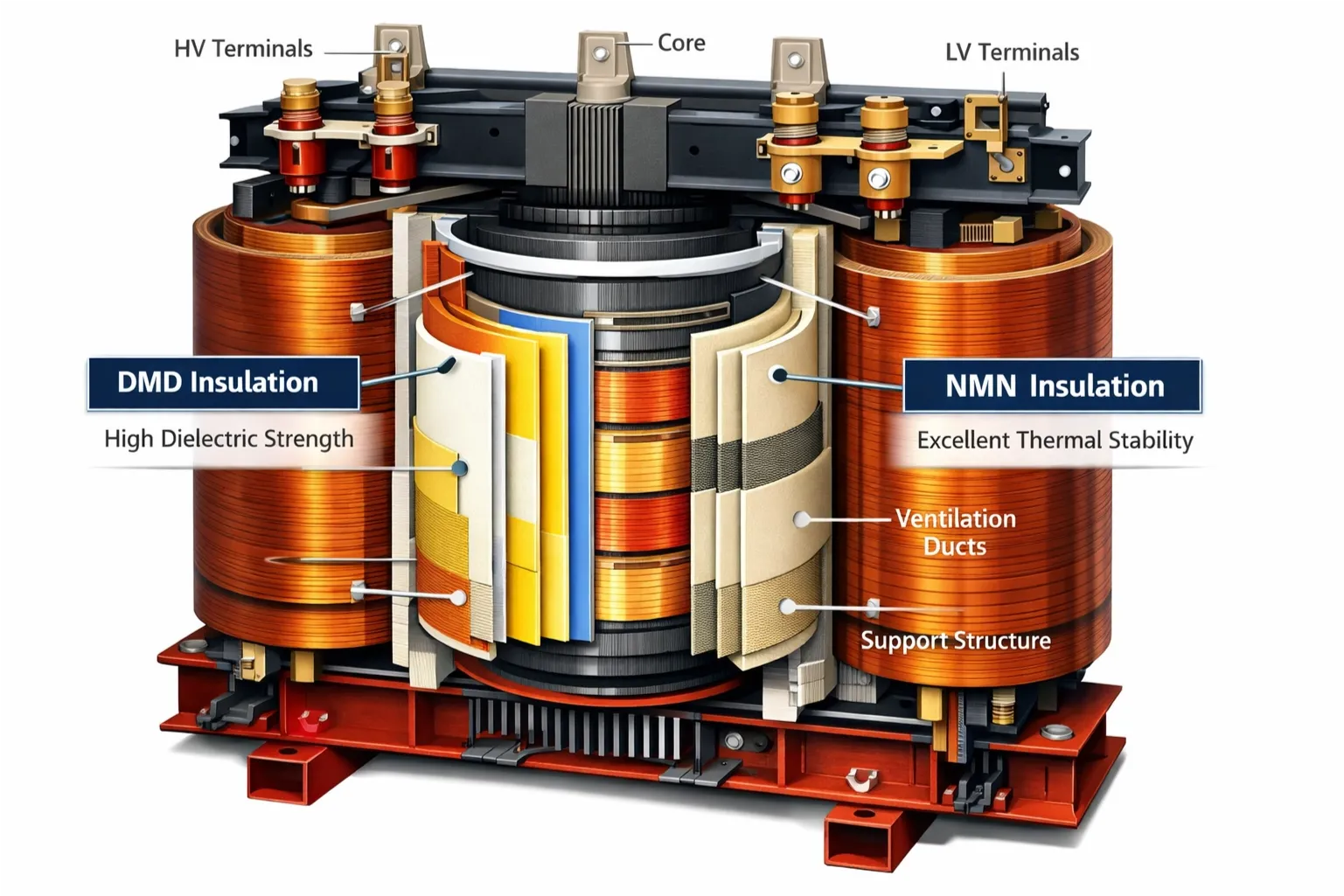
Choosing a reliable insulation material supplier is crucial. Professional suppliers not only provide high-quality products but also offer customized solutions and technical support based on specific customer needs.
Conclusion
Transformer winding paper insulation is a critical component for ensuring the long-term stable operation and enhancing the performance of transformers. From basic electrical papers to advanced Thermally Upgraded Kraft Paper, Crepe Paper Tubes & Tapes, and DMD & NMN Composites, each material offers unique advantages to meet the diverse insulation needs of transformers under various operating conditions. By deeply understanding the characteristics and application scenarios of these materials, engineers and manufacturers can make more informed material choices, thereby effectively improving transformer reliability, extending their service life, and ultimately contributing to the safe and efficient operation of power systems. As power technology continues to advance, the research and application of new insulation materials will continue to drive the transformer industry to new heights.


Quick Quote