Thermally Upgraded Paper VS Kraft Paper for Transformers
When comparing insulation paper for oil-immersed transformers, one of the most common questions is this: should you use thermally upgraded paper or standard kraft paper?
At first glance, the two materials look similar. Both are cellulose-based papers used in transformer winding and insulation systems. But from an engineering point of view, they are not interchangeable in every design.
The key difference is thermal capability. In industry practice, electrical kraft paper is commonly treated as A Class( 105°C) , while thermally upgraded paper is commonly specified as E Class (120°C) for transformer applications. That 15°C gap can have a real impact on transformer loading, aging rate, service life and design margin.
If you are selecting transformer insulation material for distribution transformers, power transformers or export projects, this guide will help you understand where each paper fits and how to make the right choice.
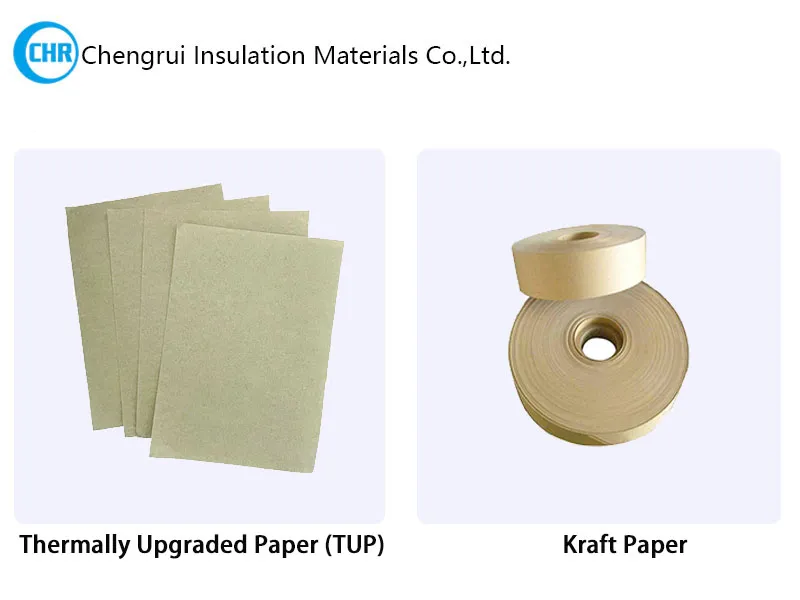
1. Quick Answer: What Is the Main Difference?
If you only remember one thing from this article, remember this:
Kraft paper is the conventional cellulose insulation paper used in many standard transformer designs.
Thermally upgraded paper (TUP) is also cellulose-based, but it is chemically modified to slow down thermal degradation and improve performance under higher operating temperatures.
In practical terms:
choose kraft paper when the design target is conventional performance and tighter material cost control;
choose thermally upgraded paper when the transformer needs higher thermal margin, better overload capability, or longer insulation life.
2. What Is Kraft Paper in Transformer Insulation?
Kraft paper is a traditional cellulose insulation paper made from high-purity electrical-grade pulp. It has been widely used for decades in oil-immersed transformer insulation systems because it offers a good balance of:
dielectric performance
oil compatibility
mechanical strength
processability
cost-effectiveness
In transformer manufacturing, kraft paper is commonly used for:
conductor wrapping
layer insulation
turn insulation
interlayer insulation
general oil-cellulose insulation structures
For many standard transformer designs, kraft paper is still a practical and economical choice.
3. What Is Thermally Upgraded Paper?
Thermally upgraded raft paper is a cellulose-based transformer insulation paper that has been chemically treated to reduce the rate of thermal decomposition.
That treatment is the core difference.
Instead of changing the material system completely, thermally upgraded paper improves the thermal endurance of cellulose paper itself. As a result, it is commonly selected when a transformer design needs:
higher temperature capability
improved overload tolerance
slower insulation aging
better long-term reliability under thermal stress
In many oil-immersed transformer applications, TUP is used where standard kraft paper may no longer provide enough design margin.
4. Temperature Class: 120°C vs 105°C
This is the section many engineers care about most.
In transformer industry practice:
Electrical kraft paper is commonly referenced as 105°C thermal class
Thermally upgraded paper is commonly referenced as 120°C thermal class
That is why TUP is often preferred in transformers designed for higher operating temperature or improved loading performance.
Why does this matter?
Because transformer insulation life is strongly affected by temperature.
When winding hot-spot temperature rises beyond the insulation system capability, the paper ages faster, mechanical strength drops faster, and long-term reliability becomes harder to maintain.
So the difference between 105°C and 120°C is not just a catalog detail.
It directly affects:
allowable design margin
overload capability
insulation aging rate
expected service life
thermal risk under real operating conditions
5. Thermally Upgraded Paper vs Insulation Kraft Paper
| Item | Kraft Paper | Thermally Upgraded Paper |
| Base material | Cellulose paper | Chemically modified cellulose paper |
| Common thermal class reference | 105°C | 120°C |
| Thermal aging resistance | Standard | Better |
| Overload capability | Lower design margin | Better design margin |
| Typical application | Standard transformer insulation | Higher thermal demand transformer insulation |
| Cost | Lower | Higher |
6. Thermal Aging: Why Engineers Often Prefer TUP
Thermal aging is one of the main reasons engineers move from kraft paper to thermally upgraded paper.
Under elevated temperature, cellulose insulation gradually loses mechanical strength. As the paper ages, it becomes more brittle and less capable of maintaining long-term insulation integrity. That is especially important in transformers because paper insulation is not something you can easily replace during normal service.
Compared with standard kraft paper, thermally upgraded paper is designed to slow that thermal degradation process. In practical engineering terms, that means:
better retention of insulation performance under heat
more confidence in long-term operation
lower thermal aging risk in high-load service
more flexibility in transformer design and loading strategy
So if the transformer is expected to run under heavier load, elevated hot-spot temperature, or stricter lifetime expectations, TUP usually makes more engineering sense.
7. Cost: Is TUP Worth the Extra Price?
Yes, thermally upgraded paper is usually more expensive than standard kraft paper.
That part is straightforward.
But from a buyer’s point of view, the better question is not:
“Which paper is cheaper?”
The better question is:
“Which paper gives the right balance of cost, life and thermal reliability for this transformer?”
Kraft paper is often the better choice when:
the transformer design is conventional
operating temperature is moderate
budget pressure is high
the application does not require extra thermal margin
Thermally upgraded paper is often the better choice when:
the transformer may run hotter
overload capability matters
longer insulation life is a design target
reliability is more important than lowest initial paper cost
For export projects, utility applications and customers with stricter technical specifications, TUP is often easier to justify.
kraft paper is the standard choice
thermally upgraded paper is the performance upgrade
8. Common Engineering Mistakes When Choosing Between TUP and Kraft
Mistake 1: Looking only at price
A lower paper price does not always mean lower total cost over transformer life.
Mistake 2: Ignoring actual operating temperature
If the transformer runs hotter than expected, standard kraft paper may become the limiting factor.
Mistake 3: Treating all cellulose papers as equivalent
They are not. Similar appearance does not mean identical thermal behavior.
Mistake 4: Choosing by habit instead of design requirement
Some manufacturers continue using the same paper grade simply because it is familiar, not because it is the best fit for the project.
Mistake 5: Forgetting the whole insulation system
Paper selection should always be considered together with oil type, conductor design, winding structure and thermal target.
FAQ
Q1: Is thermally upgraded paper always better than kraft paper?
A: Not always. It is better when the application needs higher thermal endurance, better overload performance or longer life. For standard transformer designs, kraft paper may still be the more economical and appropriate choice.
Q2:Can thermally upgraded paper replace kraft paper directly?
A: Sometimes yes, but not blindly. The final choice should match transformer design requirements, processing conditions and customer specifications.
Q3:Is kraft paper still widely used in transformers?
A: Yes. Kraft paper is still widely used in many oil-immersed transformer insulation systems because it remains practical, reliable and cost-effective in standard applications.
Final Thoughts
When comparing thermally upgraded paper vs kraft paper for transformers, the real difference is not appearance. It is thermal performance, aging behavior and design margin.
If your transformer is a standard design and cost is the first priority, kraft paper may still be the right choice.
If your transformer needs 120°C class insulation paper, better thermal aging resistance, or stronger overload capability, thermally upgraded paper is usually the better engineering solution.
The best selection depends on the transformer's operating conditions, customer requirements and insulation system target.
If you are sourcing transformer insulation paper or a complete range of transformer insulation material, it is always better to compare paper type, thickness, application and thermal class before placing a bulk order.
Looking for reliable transformer insulation material for oil-immersed transformers?
We supply a complete range of paper insulation materials for transformer manufacturing, including thermally upgraded paper, kraft insulation paper, diamond dotted paper, crepe paper and transformer pressboard.
Contact us for technical details, thickness options and bulk quotation support.


Quick Quote