How to Choose Transformer Pressboard Thickness for Different Applications
Choosing the right transformer pressboard thickness is not just a purchasing detail. It directly affects insulation reliability, mechanical strength, oil compatibility, fabrication performance and the long-term stability of the transformer structure.For transformer manufacturers, repair workshops and insulation material buyers, one of the most common questions is:
What thickness of pressboard should be used for different transformer parts?
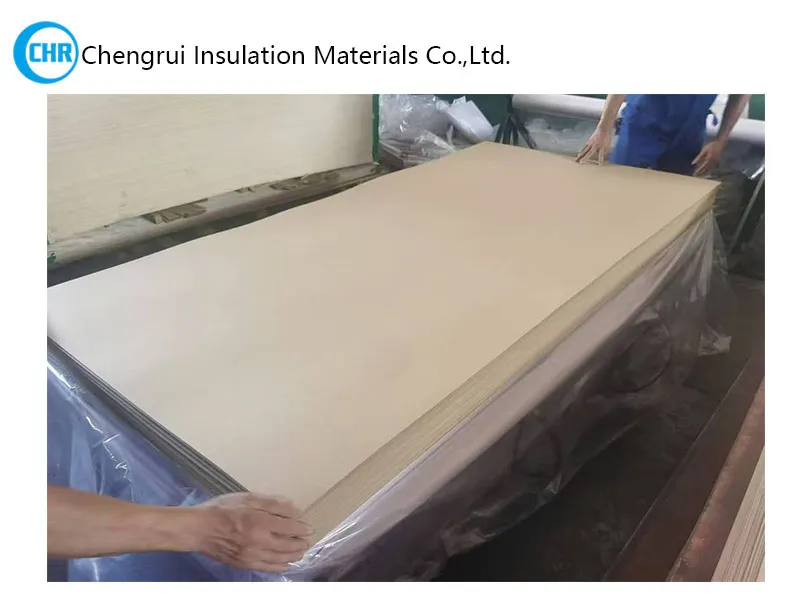
The answer depends on the function of the part. A thin sheet may be enough for local insulation or light separation, while a thicker board may be needed for cylinders, end structures or parts that must carry higher mechanical load.
In this guide, we explain how to choose the right transformer pressboard thickness for different applications, using a practical engineering approach rather than a one-size-fits-all answer.
1. What Is Transformer Pressboard?
Transformer pressboard is a cellulose-based electrical insulation board widely used in oil-immersed transformers. It is valued for its:
high dielectric strength
good mechanical strength
compatibility with transformer oil
dimensional stability
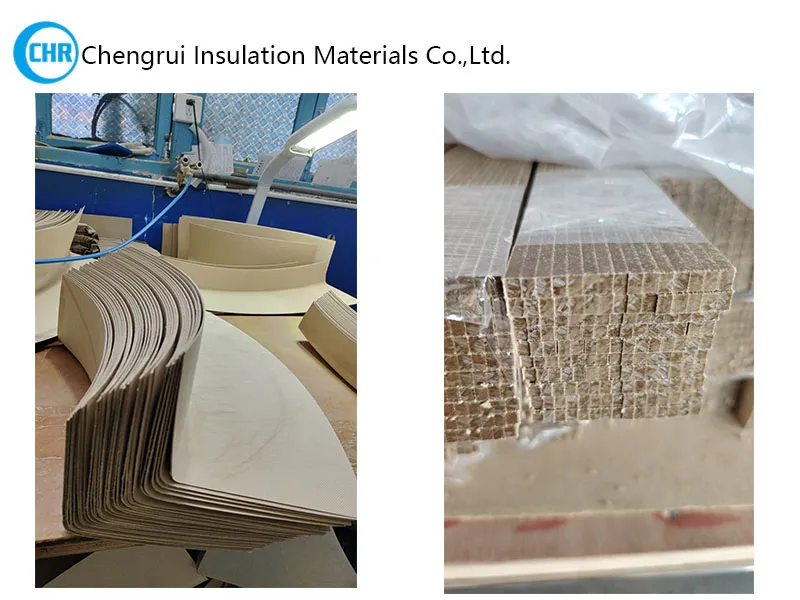
machinability into barriers, rings, spacers, cylinders and other formed parts
Public product information from electrical insulation manufacturers shows that pressboard used in transformer applications commonly comes in sheet thicknesses around 0.8–8.0 mm, while laminated or built-up pressboard constructions can be much thicker, often starting around 9 mm and going far higher depending on the design.
That is why “pressboard thickness” is not a simple yes-or-no specification. It is part of the transformer insulation design.
2. Why Thickness Matters
The thickness of transformer pressboard influences several critical factors:
electrical insulation distance
mechanical support
structural rigidity
oil impregnation behavior
fabrication and machining suitability
space usage inside the transformer
If the pressboard is too thin, it may not provide enough rigidity or insulation margin for the application. If it is unnecessarily thick, it may increase cost, reduce design flexibility, or complicate assembly.
So the goal is not to choose the thickest board.
The goal is to choose the right thickness for the right transformer part.
3. A Practical Rule of Thumb for Pressboard Thickness
In real transformer sourcing and fabrication, it is useful to think about thickness in three practical groups.
Thin pressboard: about 1–3 mm
This range is often suitable for:
local insulation
lighter separation functions
smaller barriers
certain spacers and simple formed parts
applications where flexibility in cutting and shaping is important
Medium pressboard: about 3–6 mm
This range is commonly used for:
general barriers
end rings
support parts
larger spacers
components that need a balance of insulation and mechanical support
Thick pressboard: above 6 mm
This range is more commonly associated with:
cylinders
heavy structural parts
high-strength support components
applications requiring stronger rigidity and load-bearing performance
This is a practical application-based grouping, not a universal standard definition. Public product data shows that transformer pressboard is widely available across broad thickness bands such as 0.8–8.0 mm for pressboard sheets, while transformer board and laminated structures may extend well above that range.
4. Thickness Selection by Application
4.1 Barriers
Barrier insulation is one of the most common uses of transformer pressboard. The required thickness depends on:
voltage level
insulation clearance
mechanical support needs
overall transformer layout
For lighter barrier duties, thinner or medium-thickness pressboard may be sufficient. For larger transformers or parts exposed to higher stress, thicker board may be needed to provide additional rigidity.
In many practical cases, buyers start with the question:
Is this barrier mainly electrical, mainly structural, or both?
That question usually helps narrow the thickness range quickly.
4.2 Spacers and Support Strips
Spacers and support strips are usually selected not just for dielectric performance, but also for compressive strength and dimensional stability.
If the spacer is relatively small and only serves a light separation function, thinner board may be adequate. If it must support winding structure or maintain oil ducts under pressure, thicker and denser pressboard may be more appropriate.
This is one reason thickness can never be chosen by name alone.
A “spacer” in one transformer may need a very different board thickness than a “spacer” in another.
4.3 End Rings
End rings usually need more than just insulation. They often need stable shape retention and good mechanical strength during transformer assembly and operation.
That is why medium-thickness pressboard is often a practical starting point for end rings, while heavier-duty designs may require thicker board depending on dimensions and stress level.
4.4 Cylinders
Transformer cylinders generally require more structural strength than flat local insulation parts. In many designs, cylinders are formed from thicker pressboard or from built-up laminated board constructions, especially when the part must maintain shape and withstand mechanical stress during operation.
Public electrical insulation product information shows that standard pressboard sheet ranges and laminated pressboard ranges are clearly separated, which reflects the difference between lighter sheet applications and thicker structural uses.
So if the application is a cylinder rather than a simple flat barrier, the thickness requirement often moves upward.
5. What the Thickness Categories Mean in Real Purchasing Terms
From a buyer's point of view, thickness should not be treated as just a number on a quotation.
It usually signals three things:
5.1 Fabrication difficulty
Thicker board may need different cutting, punching, forming or machining methods.
5.2 Structural role
The thicker the board, the more likely it is serving a structural or semi-structural function rather than simple local insulation.
5.3 Cost impact
As thickness increases, material usage, freight weight and processing cost can also increase.
So when requesting a quotation, thickness should always be discussed together with:
application
finished part shape
density / grade
sheet size
oil-immersed use requirement
machining requirement
6. Practical Thickness Thinking for Engineers and Buyers
A useful engineering mindset is this:
If the part mainly needs insulation:
start with thinner or medium pressboard.
If the part needs insulation plus support:
medium thickness is often more suitable.
If the part needs insulation plus structural rigidity:
look at thicker pressboard or even laminated transformer board constructions.
This is why a practical grouping such as 1–3 mm / 3–6 mm / above 6 mm works well in commercial and design discussions. It gives engineers and buyers a fast way to classify the application, while still leaving room for final technical confirmation. Public product references showing sheet pressboard around 0.8–8.0 mm and thicker transformer boards beyond that range support this kind of application-based grouping.
7. Common Mistakes When Choosing Pressboard Thickness
Mistake 1: Choosing only by habit
A thickness that worked in one transformer may not be right for another.
Mistake 2: Looking only at voltage
Voltage matters, but so do mechanical load, structure and fabrication method.
Mistake 3: Using thick board where thin board is enough
This can increase cost and reduce processing efficiency without adding real value.
Mistake 4: Using thin board where structural support is required
This can create assembly issues, weak rigidity or long-term deformation risk.
Mistake 5: Ignoring the material grade
Thickness and material grade should be considered together.
8. How to Ask Your Supplier the Right Questions
Before ordering transformer pressboard, it is helpful to confirm:
1) What part will the pressboard be used for?
2) Is the function mainly insulation, support, or both?
3) What is the required finished thickness?
4) Does the part need machining, forming or punching?
5) Is it used in an oil-immersed transformer?
6) Is standard sheet pressboard enough, or is laminated board required?
These questions often save more time than discussing price first.
Final Thoughts
Choosing the right transformer pressboard thickness is not about finding one “best” number. It is about matching thickness to the actual function of the part.
A practical way to think about it is:
1–3 mm for lighter insulation and separation roles
3–6 mm for general barriers, rings and support parts
above 6 mm for cylinders and stronger structural applications
That framework helps buyers and engineers make faster, more practical decisions.
But the final thickness should still be confirmed according to transformer design, required insulation distance, mechanical stress, machining method and the specific pressboard grade being used.
If you are sourcing transformer pressboard or other transformer insulation material, choosing the correct thickness early can improve both manufacturing efficiency and long-term transformer reliability.
CTA
Looking for reliable transformer pressboard for barriers, rings, spacers and structural insulation parts?
We supply electrical insulation pressboard in multiple thickness options for oil-immersed transformer applications, including custom sheet size and fabricated component support.
Contact us for thickness recommendations, product details and bulk quotation.


Quick Quote