Insulation Materials Used in Dry-Type Transformers
Dry-type transformers do not use transformer oil as the main insulation and cooling medium. Instead, they rely on air, solid insulation materials, resin systems and carefully designed winding structures to maintain electrical safety and long-term stability.
Because there is no oil-filled tank, the insulation design of a dry-type transformer is different from an oil-immersed transformer. The materials must provide electrical insulation, mechanical support, heat resistance, flame resistance and environmental stability at the same time.
Common insulation materials and insulation systems used in dry-type transformers include:
Epoxy resin materials;
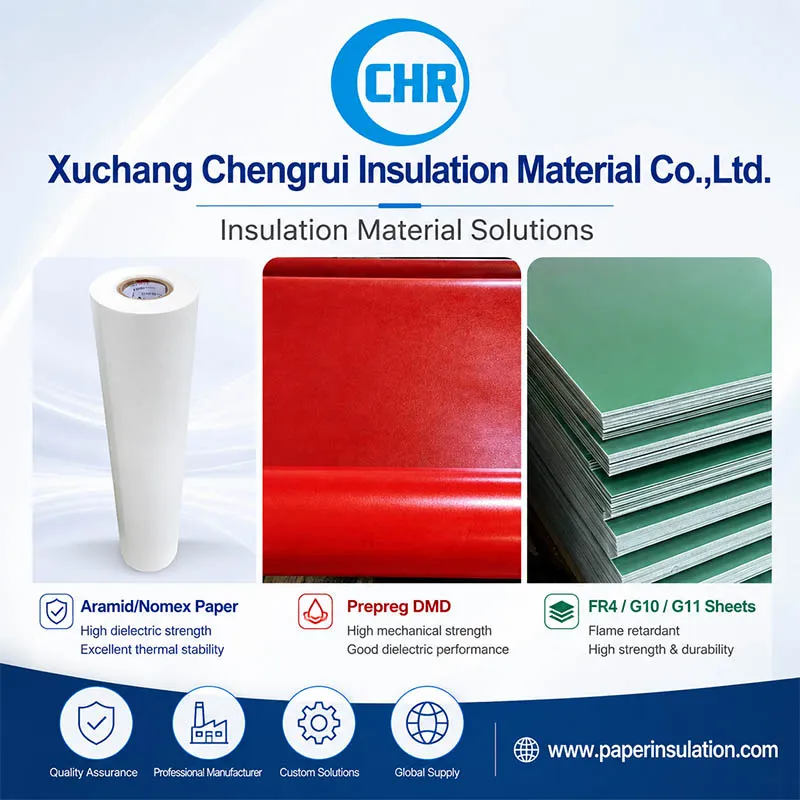
Nomex® / aramid insulation paper;
Prepreg DMD;
Fiberglass cloth;
FR4, G10 and other fiberglass insulation sheets;
Each material is used in a different position. Some materials are used for winding insulation. Some are used for structural support. Some are used for phase barriers, spacers, pads or coil reinforcement.
Epoxy Resin Materials
Epoxy resin is one of the most important materials used in dry-type transformer insulation systems.
It is commonly used in cast resin transformers and other insulation structures where the winding needs solid encapsulation or bonding.
Epoxy resin provides:
good electrical insulation;
strong bonding performance;
mechanical protection;
moisture resistance;
stable cured structure;
good compatibility with dry-type transformer winding processes.
In many dry-type transformer systems below 35kV, epoxy resin insulation is widely used because it offers a balance of safety, reliability and processing stability.
Nomex® / Aramid Insulation Paper
Nomex® paper, or more generally aramid insulation paper, is another important insulation material used in dry-type transformers.
It has excellent heat resistance, good electrical insulation performance and good mechanical strength. Because of these properties, aramid paper is often used in transformer designs that require higher thermal reliability.
In dry-type transformers, Nomex® / aramid paper may be used for:
conductor wrapping;
layer insulation;
lead insulation;
coil insulation;
insulation between winding parts;
insulation around core clamp or support structures.
Compared with ordinary cellulose paper, aramid paper has better heat resistance and better long-term thermal aging performance.
Prepreg DMD for Foil Winding Insulation
Prepreg DMD is one of the most practical flexible composite insulation materials used in dry-type transformer production.
It is made from DMD base material impregnated with modified epoxy resin and pre-cured into a B-stage semi-cured condition.
In dry-type transformer low-voltage coils, copper foil or aluminum foil windings need insulation materials that can separate conductive layers and bond the coil structure after curing.
This is the main value of prepreg DMD:
It provides electrical insulation and heat-activated bonding in one material.
Fiberglass Cloth
Fiberglass cloth is also used in dry-type transformer insulation systems.
It has good heat resistance, mechanical strength and dimensional stability. It is often combined with resin or varnish to form stronger insulation structures.
In dry-type transformers, fiberglass cloth can be used for:
coil reinforcement;
winding insulation;
insulation wrapping;
spacer support;
end insulation;
resin-reinforced insulation layers.
Fiberglass cloth is useful when the insulation structure needs both flexibility and mechanical strength before resin curing or varnish treatment.
Fiberglass Sheets: FR4, G10 and G11
Fiberglass insulation sheets are widely used for structural insulation parts in dry-type transformers.
Common materials include:
FR4 epoxy fiberglass sheet;
G10 fiberglass epoxy sheet;
G11 high-temperature fiberglass sheet;
epoxy glass cloth laminated sheet;
machined fiberglass insulation parts.
These sheets are made from glass fiber cloth impregnated with resin and laminated under heat and pressure.
They provide good mechanical strength, electrical insulation and machinability.
Other Insulation Materials Used in Dry-Type Transformers
Besides the main materials above, dry-type transformers may also use other insulation materials depending on the design.
Electrical Insulation Tapes: Tapes can be used for winding fixing, lead wrapping, coil protection and local insulation.
Insulation Sleeving: Insulation sleeving is often used for lead wire protection and local insulation.
Machined Insulation Parts: Dry-type transformers also require many small insulation parts that are cut or machined according to drawings.
How to Choose the Right Insulation Material
Dry-type transformer insulation material selection depends on the exact position and function.
| Transformer Position | Common Material Options | Main Purpose |
| Foil winding interlayer insulation | Prepreg DMD, DMD, aramid paper | Electrical insulation and bonding |
| Conductor wrapping | Aramid paper, insulation paper, tape | Flexible conductor insulation |
| Coil reinforcement | Fiberglass cloth, resin-impregnated materials | Strength and dimensional stability |
| Phase insulation | FR4, G10, G11, aramid paper, insulation sheets | Electrical separation |
| HV/LV insulation barriers | Fiberglass sheet, epoxy laminate, aramid materials | Insulation clearance and support |
| End insulation | Fiberglass sheet, DMD, aramid paper, insulation pads | Local insulation and protection |
| Support strips and spacers | FR4, G10, G11, diphenyl ether material, fiberglass parts | Mechanical support and insulation |
Dry-Type Transformer Insulation vs Oil-Immersed Transformer Insulation
Dry-type transformers and oil-immersed transformers use different insulation systems.
| Item | Dry-Type Transformer | Oil-Immersed Transformer |
| Main Insulation Medium | Air, solid insulation and resin systems | Transformer oil and cellulose paper |
| Cooling Medium | Air | Oil |
| Common Winding Insulation | Prepreg DMD, aramid paper, epoxy resin, fiberglass materials | Kraft paper, crepe paper, DDP, pressboard |
| Structural Insulation | FR4, G10, G11, fiberglass sheet, resin parts | Pressboard, laminated wood, oil duct strips |
| Typical Advantage | No oil leakage, safer indoor use, easier maintenance | Good cooling, widely used for power distribution |
This is why dry-type transformer insulation material selection should not simply copy oil-immersed transformer material selection.
The insulation system must match the transformer structure and production process.
Related Products from Chengrui
Chengrui supplies a wide range of insulation materials used in dry-type transformers and electrical equipment, including:
These materials can be supplied in rolls, sheets, slit widths, cut pieces or machined parts according to customer requirements.
FAQ
Q1: What are the common insulation materials used in dry-type transformers?
A: Common dry-type transformer insulation materials include air insulation, cast resin, epoxy resin, Nomex® / aramid paper, prepreg DMD, fiberglass cloth, diphenyl ether insulation materials and fiberglass sheets such as FR4, G10 and G11.
Q2: What is prepreg DMD used for in dry-type transformers?
A: Prepreg DMD is mainly used for foil winding interlayer insulation, especially in low-voltage copper foil or aluminum foil windings. It provides insulation and heat-activated bonding after curing.
Q3: Is Nomex® used in dry-type transformers?
A: Yes. Nomex® or aramid insulation paper can be used for conductor wrapping, layer insulation, lead insulation and other high-temperature insulation positions.
Conclusion
Dry-type transformer insulation materials are selected according to the transformer structure, winding process and operating environment.
Air insulation and cast resin insulation are common insulation methods. Epoxy resin, Nomex® / aramid paper, prepreg DMD, fiberglass cloth, diphenyl ether materials and fiberglass sheets are commonly used materials in different insulation positions.
For foil winding insulation, prepreg DMD is often selected because it provides both insulation and bonding. For high-temperature flexible insulation, Nomex® / aramid paper is widely used. For structural insulation parts, FR4, G10, G11 and epoxy glass cloth laminated sheets are practical choices.
A reliable dry-type transformer insulation system is not built from one material. It is built from the correct combination of materials, processing methods and insulation design.
Chengrui supplies flexible insulation papers, prepreg DMD, aramid materials, fiberglass sheets, insulation tapes, sleeving and custom machined insulation parts for dry-type transformer manufacturers and electrical equipment producers worldwide.


Quick Quote