Transformer Insulation Ladder Duct Exported to Tunisia
Project Background
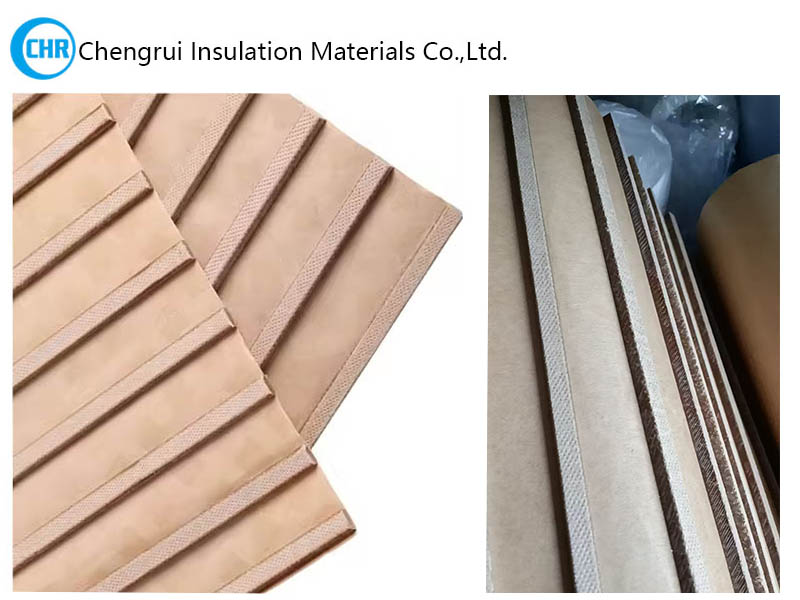
A transformer manufacturer in Tunisia contacted us while sourcing insulation ladder duct for transformer winding structures. The customer was not looking for a standard sheet material only. What they needed was a processed insulation component that could match their transformer design and fit correctly during assembly.
For this customer, the main concern was not just the raw material itself, but whether the finished ladder duct could meet the actual requirements of the winding structure, oil duct arrangement and workshop installation.
In transformer projects, this kind of part is small compared with the full transformer, but it directly affects insulation spacing, oil circulation and assembly consistency. That is why buyers usually pay much more attention to material selection, dimensional accuracy and processing quality than many people expect.
Customer Requirements
After reviewing the inquiry and technical details, the customer's requirements became clear.
They needed:
Product: Insulation Ladder Duc
Application: transformer winding insulation structure
Customer Type: transformer manufacturer
Country: Tunisia
Dimension: 0.25mm thickness for paper, 6mm thickness for strips and etc.
Main Function: maintain insulation spacing, form oil ducts and support winding structure
Material Direction: transformer pressboard, laminated pressboard or other suitable transformer insulation material depending on design
Main Concern: dimensional consistency, slot structure, fitting performance and export packing for long-distance delivery
Technical Challenge
The technical challenge in this project was not the product name.
It was the relationship between the part and the transformer design.
An insulation ladder duct is not a decorative or secondary part. It is used inside the winding structure to help:
separate winding sections
maintain insulation clearance
form oil ducts
support oil flow
stabilize the arrangement of insulation and winding components
In this project, the main technical concerns were:
1. Material Matching
The material had to match the actual transformer insulation structure. If the grade or board type was wrong, the part could become either too weak or unsuitable for the intended use.
2. Dimensional Accuracy
Ladder ducts are often installed in repeated positions inside the winding structure. If the slot spacing, width or thickness varies too much, the fitting becomes unstable and workshop assembly slows down.
3. Processing Quality
The customer needed parts with a clean profile, controlled dimensions and acceptable edge condition.
Our Solution
Based on the customer's application, we treated the order as a project-based transformer insulation component supply, not simply as a raw material quotation.
Our solution focused on the following steps:
1. Drawing and Structure Review
We first reviewed the customer's drawing details and part structure to confirm the ladder duct design and the key dimensions that would affect fitting and oil duct formation.
2. Material Recommendation
According to the transformer design, we discussed suitable material options such as diamond dotted paper and transformer pressboards.
The goal was to match the part not only to the drawing, but also to the actual working condition inside the transformer.
3. Dimensional Confirmation
Before production, we confirmed the important points related to:
thickness
width
length
slot design
profile structure
dimensional tolerance
For processed transformer insulation parts, this step is critical. A small dimensional error may create fitting problems later.
4. Sample and Production Preparation
For project orders like this, sample confirmation is often the safest route before batch production. It helps reduce risk on both sides and makes later production smoother.
Why the Customer Chose Our Product
The customer moved forward with us not because the product was described well, but because the process matched the real needs of a transformer project.
The main reasons were:
1. Project-Oriented Communication
We treated the request as a transformer component project, not as a generic insulation board order.
2. Material and Structure Understanding
The customer needed a supplier who understood that ladder ducts are linked to winding spacing, cooling path and insulation structure.
3. Drawing-Based Production Support
The project required fabrication according to actual dimensions, not just sheet supply.
4. Dimensional and Processing Attention
The customer cared about fitting and assembly, so details such as slot structure and edge condition mattered.
Packing and Delivery
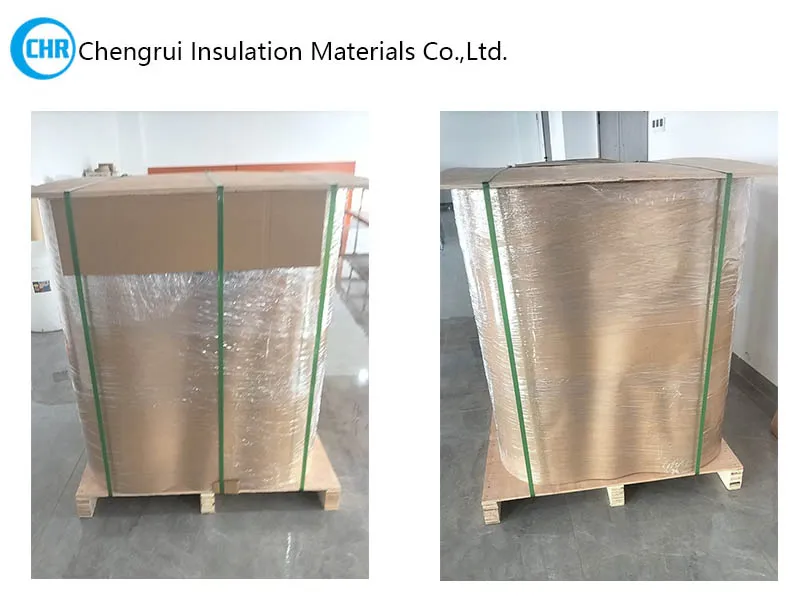
For this shipment, export packing was prepared with the structure of the product in mind.
The main packing considerations included:
protection of edges and profiles
stable stacking for processed parts
moisture-conscious export packing
clear identification for shipment and use
For custom insulation components, packing quality is part of product quality.
If the parts arrive damaged, dimensional accuracy no longer matters.
This is especially important in export orders, where replacement takes time and may delay the customer’s production schedule.
Final Thoughts
This case shows that supplying insulation ladder duct for transformer projects is not only about machining an insulation board into shape.
A proper supply process also requires:
understanding transformer application
matching the right material to the design
confirming dimensions before production
controlling the processed structure
preparing suitable export packing
In other words, a supplier for this type of product should not only sell material.
They should understand how the part works inside the transformer.
If you are sourcing insulation ladder duct or other transformer insulation components for a project, Chengrui Insulation can support. We supply processed insulation parts for transformer manufacturers, coil winding workshops and insulation parts processors based on actual application requirements.


Quick Quote