Electrical Insulation Fiberglass Sleeves: FAQ & Selection Advice
The electrical insulation fiberglass sleeves are indispensable protective components in electrical and mechanical fields, playing a vital role in ensuring equipment safety and enhancing system reliability. From traditional power equipment to emerging new energy sectors, this fundamental yet critical component is essential. This article comprehensively addresses common questions about electrical insulation sleeves through a Q&A format and shares professional selection experience.
I. Basic Understanding: What is an Insulation Sleeve?
An insulation sleeve is a specialized protective covering used primarily for electrical isolation, thermal management, and physical protection. Its core functions include: preventing electric shock and short circuits by isolating conductors; reducing heat loss or blocking external heat sources for energy saving; and protecting circuits from mechanical damage, chemical corrosion, and environmental impact.
Modern insulation sleeves are made from various high-performance materials including PVC, silicone rubber, fiberglass, epoxy resin, and other synthetic polymers. Different materials give sleeves different characteristics, enabling them to meet stringent requirements across various fields, from everyday household appliances to aerospace applications.
II. Technical Q&A
1. Why are insulation sleeves irreplaceable in electrical applications?
The value of insulation sleeves in electrical applications is multi-dimensional:
Safety Protection: Effectively prevent electric shock, short circuits, and arcing, ensuring safety for equipment and personnel.
System Integrity: Block moisture, dust, chemicals, and other contaminants, maintaining long-term stable operation of electrical systems.
Thermal Management: Reduce heat exchange, ensuring electrical components operate within their optimal temperature range.
Extended Lifespan: Significantly prolong equipment service life and reduce maintenance costs through comprehensive protection.
2. Can insulation sleeves perform effectively in both high and low-temperature environments?
Absolutely. High-quality insulation sleeves offer broad temperature adaptability:
High-Temp Environments: High-temperature resistant sleeves, such as silicone rubber series, can maintain stable performance from -60°C to 200°C, with special models withstand even higher temperatures.
Low-Temp Environments: Maintain good flexibility, prevent frost formation, and ensure normal system operation at low temperatures.
Temperature Stability: Maintain consistent physical and electrical properties during drastic temperature changes.
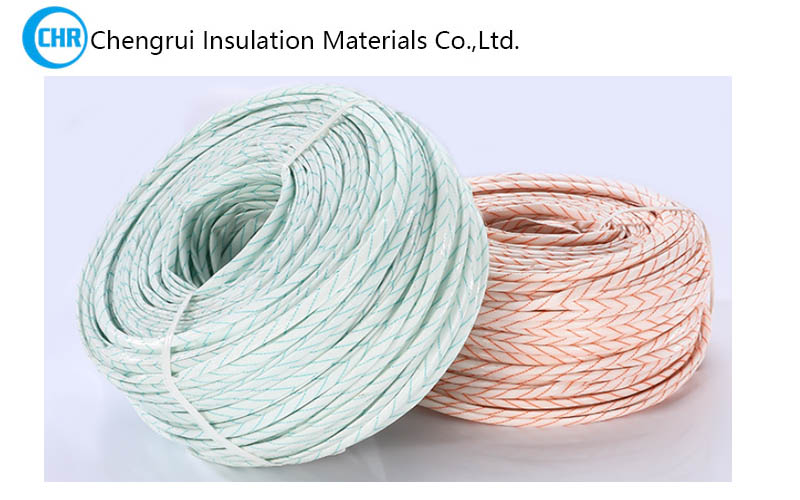
3. How to choose the right sleeve size for a specific project?
Follow these steps for selection:
Accurate Measurement: Use professional tools to measure the outer diameter or key dimensions of the object to be protected.
Allow for Clearance: Select a sleeve with an inner diameter slightly larger than the object, typically recommending a 5%-10% allowance.
Consider Stretchability: Evaluate the sleeve's stretch properties to ensure easy installation and a snug fit.
Professional Consultation: When unsure, always contact supplier technical support, providing application details for accurate recommendations.
4. What are the specific requirements for insulation sleeves in different industries?
Based on unique operating environments, various industries have specialized requirements:
Power Transformers: Require high dielectric strength, resistance to transformer oil, and long-term reliability.
New Energy Vehicles: Need solutions with high temperature resistance, flame retardancy, and excellent flexibility to withstand vibration.
Aerospace: Demand extreme light weight, high reliability, and wide temperature range adaptability.
Industrial Equipment: Emphasize mechanical strength, wear resistance, and chemical stability.
Household Appliances: Focus on safety standards, environmental requirements, and cost control.
5. What is the fire performance of insulation sleeves like?
Most professional-grade insulation sleeves possess excellent fire characteristics:
Flame Retardant Design: Use self-extinguishing materials that quickly extinguish after the flame source is removed.
High-Temp Tolerance: Do not melt drip or support combustion in high-temperature environments.
Comprehensive Certifications: Pass international safety certifications like UL, VW-1.
Safety Compliance: Meet stringent industry fire safety standards and regulations.

III. Professional Application Examples: Chengrui Insulation Sleeves in Engineering Practice
Taking the CHR insulation sleeves provided by Chengrui Insulation Materials Co.,Ltd. as an example, these products demonstrate exceptional performance under harsh conditions:
In the power transformer sector, their medium-high voltage insulation fiberglass sleeves, made from special epoxy glass cloth composite materials, provide stable dielectric performance and mechanical strength, ensuring safe operation in complex electric field environments.
For the high-temperature and high-vibration conditions of new energy vehicle motors, the developed series of silicone rubber insulation sleeves offer excellent heat resistance and lasting elasticity, maintaining complete insulation protection even under prolonged high temperatures and severe vibration.
In special motor applications, the insulation sleeves not only provide reliable insulation isolation for lead wires and terminals but also enhance overall mechanical protection through optimized structural design, significantly improving equipment service life.
IV. Selection Summary & Professional Advice
Selecting the right insulation sleeve is a systematic project requiring comprehensive consideration. It is recommended to evaluate from the following dimensions:
Primary Considerations:
① Operating voltage level and insulation requirements
② Ambient temperature range and frequency of change
③ Type and intensity of mechanical stress
Secondary but Important Factors:
①Chemical exposure and protection needs
②Installation space and method constraints
③Industry certifications and standard compliance
Long-Term Value Considerations:
①Product durability and life expectancy
②Supplier's technical support capability
③Total cost of ownership, not just purchase price
As an experienced insulation solutions provider, we recommend users communicate deeply with professional technical teams during the initial selection phase. By detailing the application scenario, performance requirements, and budget range, you can obtain the most suitable sleeve selection, avoiding performance issues or cost waste due to improper selection.


Quick Quote