When Transformer Manufacturers Should Use High-Temperature Resistant Insulation Paper
In transformer production, ordinary kraft insulation paper is still widely used. It is practical, easy to wrap, and suitable for many oil-immersed transformer insulation systems.
But not every transformer works under the same thermal stress.
When a transformer has higher load demand, higher temperature rise, or a design that requires better thermal aging resistance, manufacturers may need high-temperature resistant insulation paper for transformers instead of ordinary kraft paper.
This material is also known as thermally upgraded insulation paper. It is still a cellulose-based electrical insulation paper, but it is treated during production to improve heat aging resistance.
The purpose is simple:
to help the paper insulation keep its mechanical and electrical performance more stable under higher operating temperature.
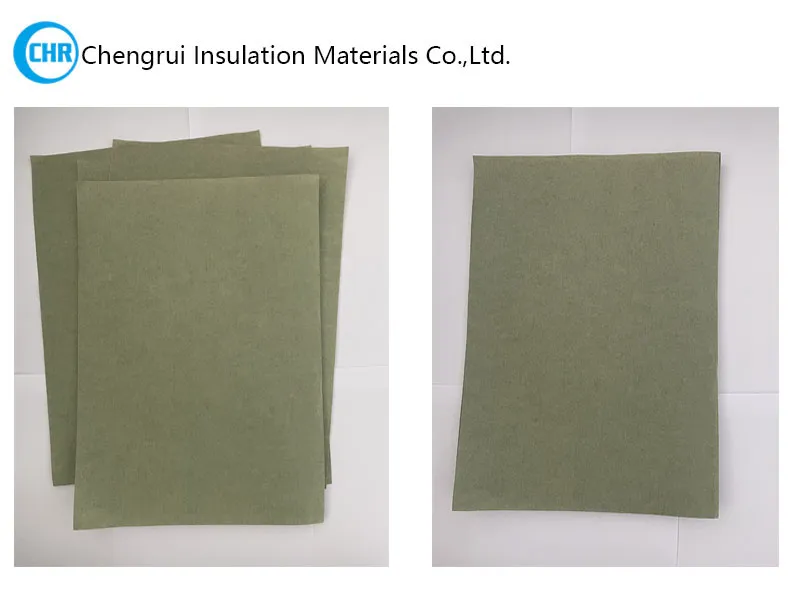
What Is High-Temperature Resistant Insulation Paper for Transformers?
High-temperature resistant insulation paper is an electrical-grade cellulose paper used in transformer oil-paper insulation systems.
Compared with ordinary kraft insulation paper, it is designed with better thermal endurance. In many transformer applications, it is used as E Class 120°C insulation paper.
Looking for a reliable insulation solution for your electrical equipment? Ensure your specifications call for high-temperature thermally upgraded insulation paper to guarantee peak performance and durability.
This type of paper is not a completely different insulation system. It is still part of the traditional oil-paper insulation structure, but with improved heat resistance.
Basic Product Information
| Item | Typical Description |
| Product Name | High-Temperature Resistant Insulation Paper for Transformers |
| Material | Electrical-grade unbleached cellulose pulp |
| Thermal Class | E Class 120°C |
| Common Color | Green, Natural |
| Common Thickness | 0.05mm, 0.075mm, 0.085mm |
| Main Application | Oil-immersed transformer insulation |
Advantages of Thermally Upgraded Insulation Paper
1. Better Heat Aging Resistance
The main reason transformer manufacturers choose thermally upgraded paper is heat aging resistance.
In oil-immersed transformers, insulation paper works for a long time under heat, oil and electrical stress. Higher temperature can accelerate paper aging.
Thermally upgraded insulation paper is designed to slow this aging process compared with ordinary kraft paper.
2. Suitable for E Class 120°C Insulation Systems
High-temperature resistant transformer insulation paper is commonly used as E Class 120°C insulation paper.
This makes it suitable for transformer designs where ordinary Class A cellulose insulation may not be enough.
3. Good Wrapping Performance for Conductors
Transformer insulation paper must be practical in production.
It should wrap smoothly around copper or aluminum conductors without tearing easily, especially when used for rectangular wires.
High-temperature resistant insulation paper keeps good flexibility and wrapping behavior, so it can be used in conductor insulation and winding processes.
4. Compatible with Oil-Paper Insulation Systems
This material is cellulose-based, so it can work in oil-immersed transformer insulation systems after proper drying and oil impregnation.
Where It Is Used in Transformers
1. Conductor Wrapping
Conductor wrapping is one of the most common applications.
The paper is wrapped around copper or aluminum conductors before coil winding. It provides electrical insulation between turns and helps protect the conductor surface.
2. Winding Insulation
High-temperature resistant insulation paper can also be used in winding structures where better thermal reliability is required.
3. Layer Insulation
In some transformer designs, insulation paper is placed between winding layers.
The selected paper must be thin enough for winding design but stable enough to maintain insulation distance.
4. Lead and Connection Insulation
Transformer leads and connection areas may require flexible paper insulation.
High-temperature resistant insulation paper can be slit into narrower widths for lead wrapping and local insulation
Thermally Upgraded Paper vs Ordinary Kraft Insulation Paper
| Item | Ordinary Kraft Insulation Paper | High-Temperature Resistant Insulation Paper |
| Base Material | Electrical-grade cellulose pulp | Electrical-grade cellulose pulp with thermal upgrading treatment |
| Main Function | Standard transformer insulation | Transformer insulation with better heat aging resistance |
| Typical Thermal Class | Class A 105℃ | Class E 120°C |
| Heat Aging Resistance | Standard | Better |
| Main Use | General conductor wrapping and winding insulation | Higher-temperature winding and conductor insulation |
Ordinary kraft paper is still a good choice for many transformer designs.
High-temperature resistant insulation paper should be selected when the insulation system needs higher thermal reliability.
When Should You Choose High-Temperature Resistant Insulation Paper?
This material is suitable when:
the transformer requires better thermal aging resistance;
the insulation system is designed for E Class 120°C;
ordinary kraft paper does not provide enough thermal margin;
the application is oil-immersed transformer winding insulation;
the paper will be used for copper or aluminum conductor wrapping;
the transformer works under higher load or higher temperature rise;
the customer needs thermally upgraded cellulose paper.
It is not always necessary for every transformer.
For standard designs, ordinary kraft insulation paper may still be enough.
Storage and Handling
High-temperature resistant insulation paper should be stored in a clean and dry environment.
Because it is cellulose-based, moisture control is important.
Recommended handling points:
keep rolls sealed before use;
avoid moisture and high humidity;
avoid direct sunlight;
prevent roll deformation;
keep away from dust and oil contamination;
use clean tools during slitting and cutting;
dry the material according to the transformer manufacturer's process before oil impregnation.
Good storage does not make the paper better, but poor storage can reduce its insulation reliability.
Related Transformer Insulation Materials
Chengrui also supplies related transformer insulation materials, including:
Thermally Upgraded Diamond Dotted Paper
Pressboard Strips for Oil Duct
These materials are often used together in transformer winding insulation, conductor wrapping, oil-paper insulation, oil duct structures and solid insulation systems.
FAQ
Q1: What is the high-temperature resistant insulation paper mainly used for?
A: It is mainly used for conductor wrapping, winding insulation, layer insulation and lead insulation in oil-immersed transformers.
Q2: What thermal class is commonly used?
A: It is commonly used as E Class 120°C insulation paper, depending on customer specification and test requirement.
Q3: Can it be used in oil-immersed transformers?
A: Yes. It is suitable for oil-paper insulation systems after proper drying and oil impregnation according to the transformer manufacturer's process.
Conclusion
High-temperature resistant insulation paper for transformers is a thermally upgraded cellulose paper used in oil-immersed transformer insulation systems.
Compared with ordinary kraft insulation paper, it provides better heat aging resistance and is more suitable for transformer windings that require improved thermal reliability.
It is mainly used for conductor wrapping, winding insulation, layer insulation and lead insulation.
For transformer manufacturers, the key selection points are not only thickness and width, but also thermal class, wrapping performance, oil compatibility, moisture control and the exact insulation position.


Quick Quote