Densified Transformer Laminated Wood Boards Exported To Malaysia
Project Overview
A transformer manufacturer in Malaysia contacted Chengrui while sourcing densified laminated wood boards for use in oil-immersed power transformers.
The customer was expanding production capacity and required insulation structural materials that could provide both high mechanical strength and excellent compatibility with transformer oil.
Unlike ordinary wood materials, transformer laminated wood components must withstand long-term mechanical stress while maintaining dimensional stability inside the transformer tank.
Why the Customer Was Looking for a New Supplier
The customer had previously purchased laminated wood materials through regional distributors.
However, several challenges began affecting project schedules.
Lead times became longer, stock availability was inconsistent, and customized dimensions often required additional processing after delivery.
For transformer manufacturers, structural insulation materials are critical components. Delays in receiving laminated wood boards can directly impact production planning and transformer assembly schedules.
The customer therefore started looking for a supplier capable of providing customized sizes, stable material quality and direct export support.
Application Requirements
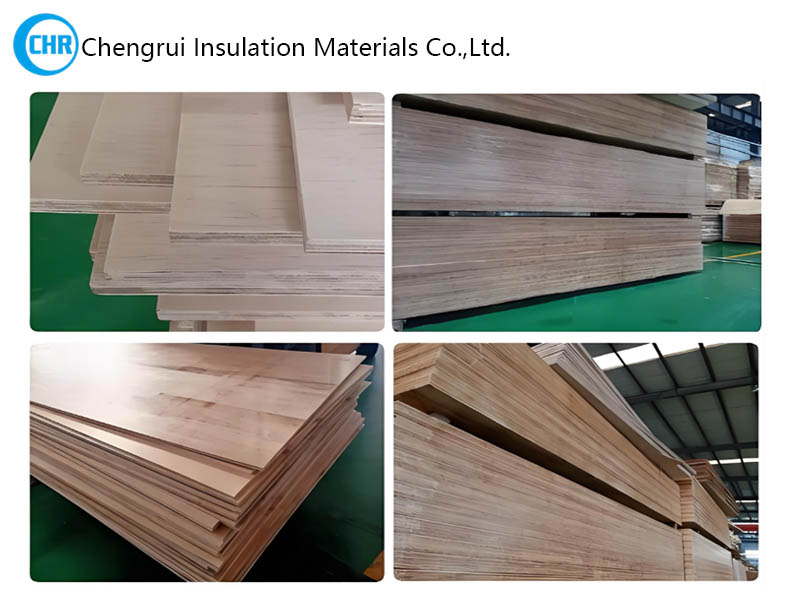
After technical discussions, the laminated wood boards were specified for use as structural insulation and support components inside oil-filled transformers.
The customer required:
High-density laminated wood construction
Excellent mechanical strength
Good oil absorption characteristics
Stable dimensions during long-term service
Suitable for transformer insulation systems
Typical board thicknesses ranged from 10 mm to 40 mm depending on the final component design.
The material would later be machined into transformer support blocks, clamping structures and insulation support components.
Chengrui's Solution
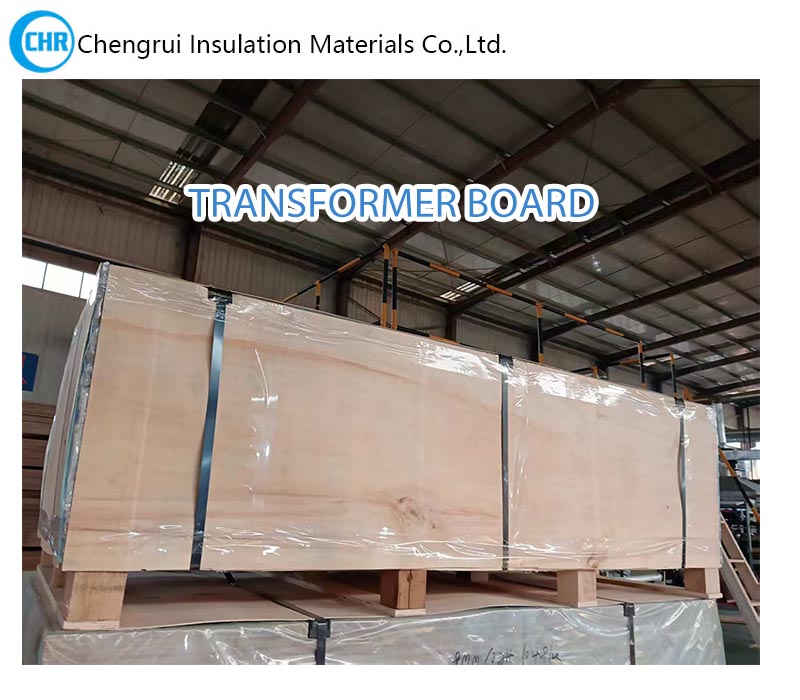
Based on the customer's application, Chengrui recommended densified transformer laminated wood boards manufactured from selected veneers and electrical-grade resin systems.
Material samples were provided for evaluation before production.
The customer focused primarily on machining performance and dimensional consistency.
After internal testing, the laminated wood demonstrated stable processing characteristics and met the customer's requirements for transformer component manufacturing.
To reduce processing time, customized board dimensions were prepared according to the customer's preferred cutting layout.
This helped improve material utilization and reduced waste during machining.
Production & Delivery
The order was produced according to the agreed specifications and prepared for export shipment.
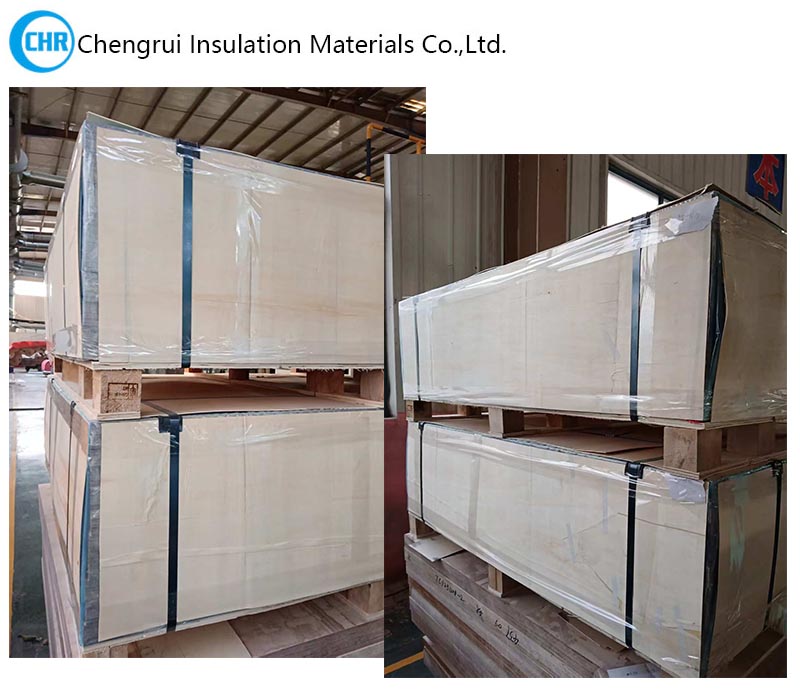
To prevent moisture absorption during transportation, the boards were packed using protective wrapping and reinforced pallet packaging.
The shipment was exported to Malaysia by sea freight and delivered according to the customer's production schedule.
Because the material would be further processed into transformer insulation components, maintaining flatness and dimensional consistency during transportation was particularly important.
Project Outcome
After receiving the materials, the customer successfully incorporated the laminated wood boards into transformer production.
The boards were machined into various structural insulation components used inside oil-immersed transformers.
The customer reported satisfactory machining performance, stable dimensions and good compatibility with existing manufacturing processes.
Following the successful delivery, discussions expanded to additional transformer insulation materials, including transformer pressboard, insulation kraft paper, oil duct strips and densified wood components.
For transformer manufacturers, selecting reliable structural insulation materials is essential for ensuring both mechanical stability and long-term operational reliability. Consistent material quality and dependable supply remain key factors when choosing a long-term supplier.
Looking for Transformer Laminated Wood Materials?
Chengrui supplies a complete range of transformer insulation materials, including:
Densified Laminated Wood Boards
Transformer Pressboard
Electrical Insulation Kraft Paper
Diamond Dotted Paper
Oil Duct Strips
Crepe Paper
Laminated Wood Components
If you are looking for a reliable supplier of transformer insulation materials, our team is ready to provide technical support, material recommendations and quotation assistance.


Quick Quote