4 Kinds of Wire Fiberglass Sleeving Types for Electrical Insulation
In our rapidly advancing technological world, from smart home appliances to electric vehicles, and from industrial robots to medical equipment, the stable and safe transmission of electricity is the fundamental building block. Behind the scenes, a seemingly small but critical component plays a vital role: wire fiberglass sleeving. It acts as both an "insulating guard" and the first line of defense against heat, abrasion, and chemical corrosion.
Choosing the wrong sleeving can lead to insulation failure, short circuits, or even fire hazards. So, how do you select the perfect "armor" for your design? This article provides an in-depth look at four essential sleeving types for modern electrical insulation: PVC, Acrylic, Silicone Rubber, and Silicone Resin, to help you make an informed decision.
A Full Overview: Core Differences at a Glance
Before we dive into the details, let's start with a quick comparison table to get a clear overview of our four key players.

Key Takeaways: PVC is the economic choice for general use. Acrylic offers a step up in heat resistance. Silicone Rubber stands out for its extreme flexibility, while Silicone Resin is the top performer for high-temperature and electrical applications.
Unique Strengths and Ideal Applications
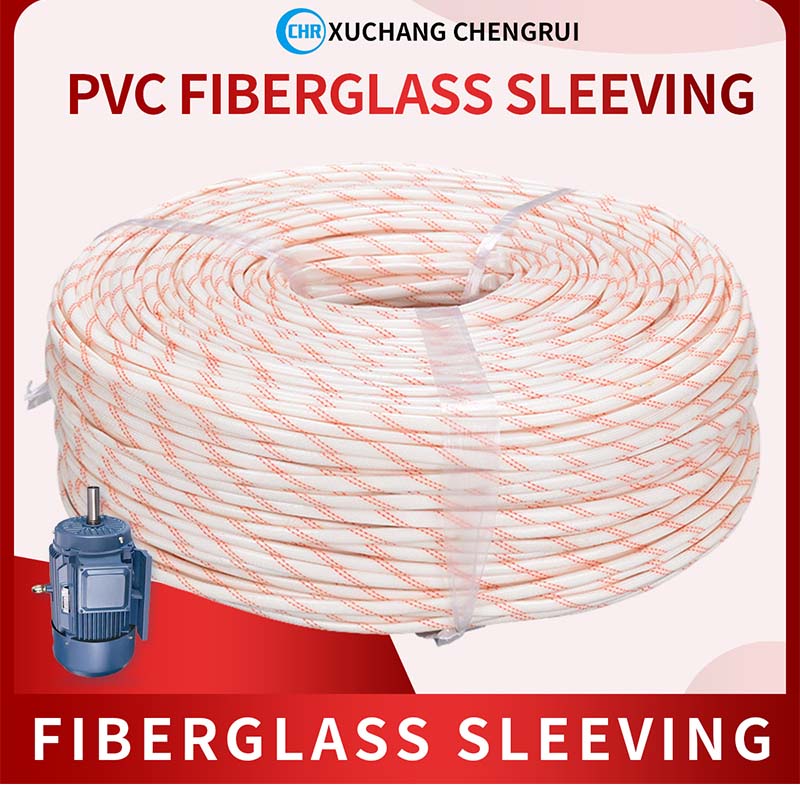
1. 2715 PVC Sleeving: The All-Round Economic Performer
Performance Profile: PVC sleeving is the most common choice due to its excellent cost-performance ratio. It offers good flexibility, abrasion resistance, and standard weatherability. It is also flame-retardant, meeting the needs of many general-purpose applications.
Ideal Applications:
Home Appliances: Ideal for wire insulation and protection inside washing machines, air conditioners, and microwaves where cost control is key.
Consumer Electronics: Perfect for wire bundling and insulation in power adapters and chargers.
Low-Voltage Control Panels: Used for identification and insulation of cables.
2. 2740 Acrylic Sleeving: The Cost-Effective Bridge to 155°C
Performance Profile: When operating temperatures exceed the limits of PVC, acrylic sleeving is the perfect solution. It reliably operates at up to 130°C, meeting Class B insulation standards, and strikes an excellent balance between heat resistance and cost.
Ideal Applications:
Motors & Transformers: A classic, cost-effective Class B insulation solution for coil lead wires and internal wiring.
Inductors & Lighting: Used in ballasts, energy-saving lamps, and other components with consistent heat generation.

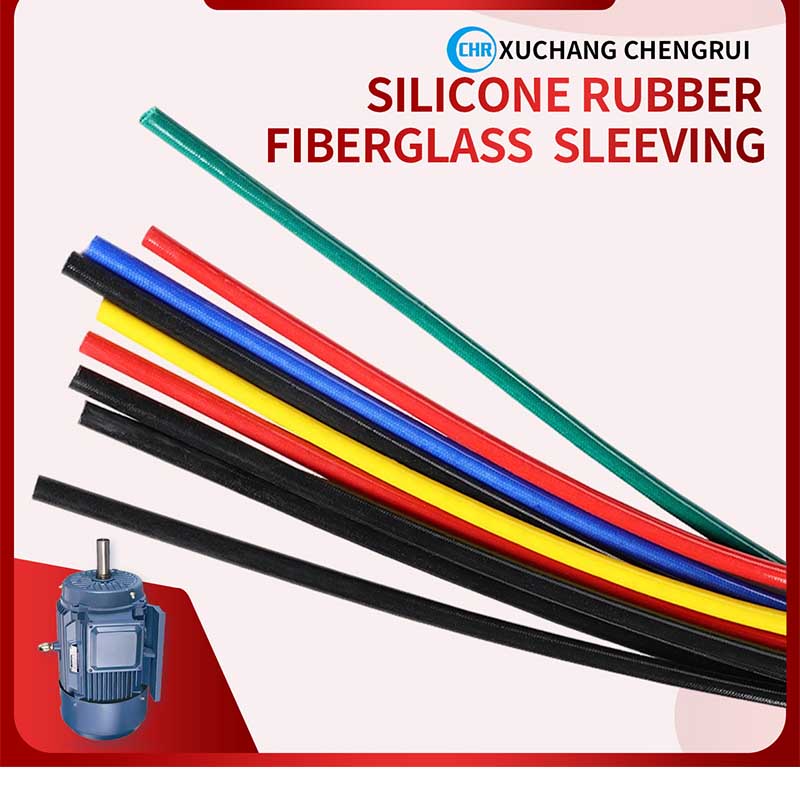
3. 2751 Silicone Rubber Sleeving: The Flexible High-Performance Guardian
Performance Profile: Silicone rubber sleeving is the representative of high performance. It features unmatched flexibility and a broad temperature range (-60°C to 200°C). Additionally, it is highly flame-retardant, eco-friendly, and non-toxic, making it a versatile solution for demanding environments.
Ideal Applications:
New Energy Vehicles (NEVs): This is its core market! Its high-temperature resistance and extreme flexibility are essential for protecting high-voltage wiring in battery packs, motor leads, and charging systems, which face constant vibration and heat.
High-Temp Appliances: Protects leads in irons, ovens, and heaters.
Medical Equipment: Its non-toxic properties make it suitable for use in medical device wiring.
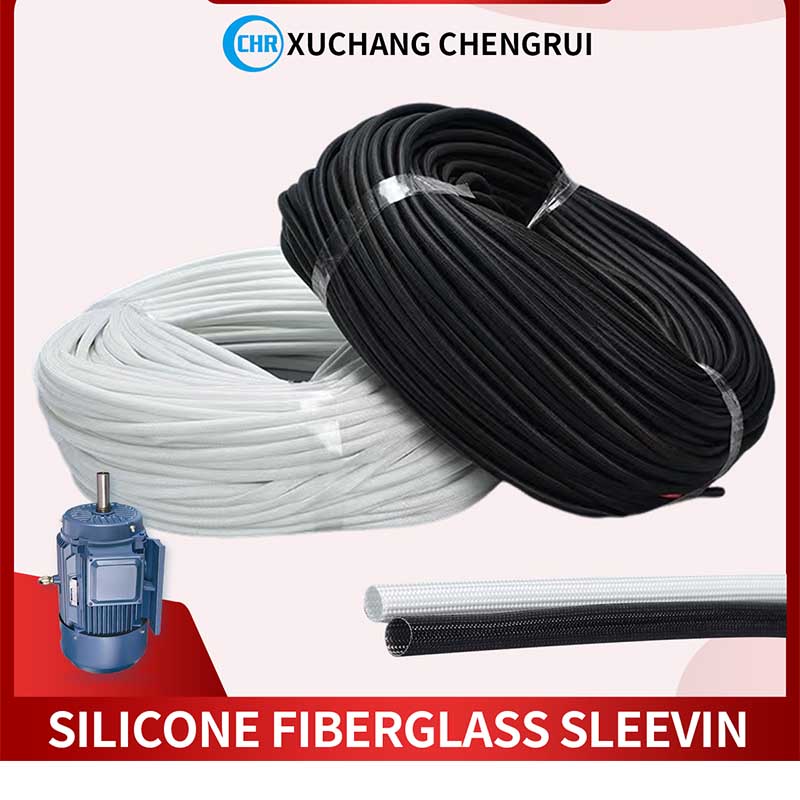
4. 2753 Silicone Sleeving: The Ultimate Heat Resistance Expert
Performance Profile: Silicone resin sleeving shares a similar temperature range with silicone rubber but has distinct characteristics. Made through a special dipping process, it provides a very uniform wall thickness, resulting in superior and more stable electrical insulation properties. It is slightly less flexible than silicone rubber but offers exceptional thermal endurance.
Ideal Applications:
High-End Motors/Transformers: The first choice for Class H (180°C) and above insulation systems, especially for heavy-duty applications requiring long-term stability at high temperatures.
Industrial Heating Equipment: Ideal for insulating leads on heating elements and industrial ovens.
Aerospace & Military: Used in extreme environments where maximum reliability and stability are non-negotiable.
Your Decision-Making Guide: 4 Steps to the Right Sleeving
To find the best sleeving for your project, simply walk through these four steps:
Step 1: What is the maximum operating temperature?
< 105°C: 2715 PVC Sleeving is the economic choice.
~155°C: 2740 Acrylic Sleeving offers the best value.
≥180°C - 200°C+: This is the domain of Silicone Rubber and Silicone Resin.
Step 2: What are the requirements for flexibility and environmental safety?
For tight bends or constant movement (e.g., automotive wiring): 2751 Silicone Rubber Sleeving is your best bet.
For medical, food-contact, or non-toxic requirements: 2751 Silicone Rubber Sleeving is also the answer.
For static installations where ultimate electrical performance and heat aging resistance are the priority: consider 2753 Silicone Sleeving.
Step 3: Which industry does your product belong to?
Consumer Electronics, General Appliances: Start with PVC or Acrylic.
Industrial Motors, Transformers: Acrylic (Class B) or Silicone Resin (Class H) are standard.
New Energy Vehicles & Charging Infrastructure: 2751 Silicone Rubber Sleeving is the industry standard.
Aerospace, High-End Military: 2753 Silicone Resin Sleeving provides the required reliability.
Step 4: What is your budget?
This is a practical consideration. After meeting the performance needs from the first three steps, your budget will help finalize the choice. The cost increases from PVC to Silicone Resin, but the performance and value delivered also grow exponentially.
As electrification and automation continue to evolve, the demands on insulation will only become more stringent. Whether for EVs requiring longer range and faster charging, or for industrial equipment with increasing power density, higher-performance insulating materials are essential.
These four types of sleeving are not simple substitutes but rather targeted solutions for different challenges:
○2715 PVC safeguards the convenience and safety of everyday life.
○2740 Acrylic bridges reliability and cost in mainstream industrial applications.
○2751 Silicone Rubber is powering the future of transportation.
○2753 Silicone Resin defends ultimate reliability in the most demanding industrial and exploratory frontiers.
We hope this guide helps you make a clear and confident choice. The right selection starts with a deep understanding of your needs and ends with the perfect match in material. Choosing the correct sleeving for your next project is not just about meeting specifications—it's about building a stronger foundation for your product's reliability, safety, and market success.


Quick Quote