How to Choose Electrical Insulation Tape for Motors and Transformers
Electrical insulation tape is not a one-size-fits-all material. In motor and transformer manufacturing, different tapes serve different roles—some provide high-temperature dielectric insulation, some reinforce winding structures, and others are used mainly for secure binding during assembly.
This practical guide explains how to choose insulation tape based on temperature, electrical insulation needs, mechanical demands, and process compatibility (especially varnish/resin impregnation), with a focus on common motor and transformer applications.
Step 1: Define the Main Function
Before selecting a tape, ask:
Is it mainly for electrical insulation?
Or for binding and reinforcement?
What is the continuous operating temperature?
Will the winding be varnish impregnated?
Clear answers make selection much easier.
Step 2: Choose by the Factors That Actually Matter
1) Temperature resistance (base material vs adhesive)
Many tapes are composites: backing + adhesive. A backing may tolerate high temperature, while the adhesive may soften or degrade earlier. For motor/transformer work, always treat temperature capability as a system property, not a single number.
2) Electrical insulation requirement (dielectric reliability)
If the tape must act as a reliable dielectric layer near conductors, prioritize materials known for stable electrical performance at temperature (example: polyimide film tapes are widely used for high-temperature electrical applications).
If the tape is mainly for binding/holding, dielectric performance may still matter, but it is often secondary to mechanical performance.
3) Mechanical strength and handling during winding
In real production, tape sees tension, abrasion, and vibration. For anchoring leads or banding coils, tensile strength and low stretch become critical.
4) Compatibility with varnish/resin impregnation
In many motor insulation systems, coils are impregnated with varnish/resin to improve insulation resistance and mechanical rigidity.
Tapes that absorb/accept varnish well can become an integrated part of the insulation structure.
Quick comparison: 4 common insulation tapes (motor/transformer use)
In motor and transformer manufacturing, insulation tape is selected based on its function in the insulation system. Below are four commonly used types and how they differ in practical applications.
1. High Temperature Polyimide Insulation Tape
Polyimide tape is primarily used for high-temperature electrical insulation.
It consists of a polyimide film backing with a heat-resistant adhesive, offering stable dielectric performance under elevated temperatures. It is often selected when space is limited but thermal reliability is critical.
Typical applications:
High-temperature coil insulation points
Phase insulation in compact winding structures
Electrical protection in areas exposed to continuous heat
Polyimide tape is not usually chosen for heavy mechanical binding. Its main advantage is thermal stability and electrical reliability, not structural reinforcement.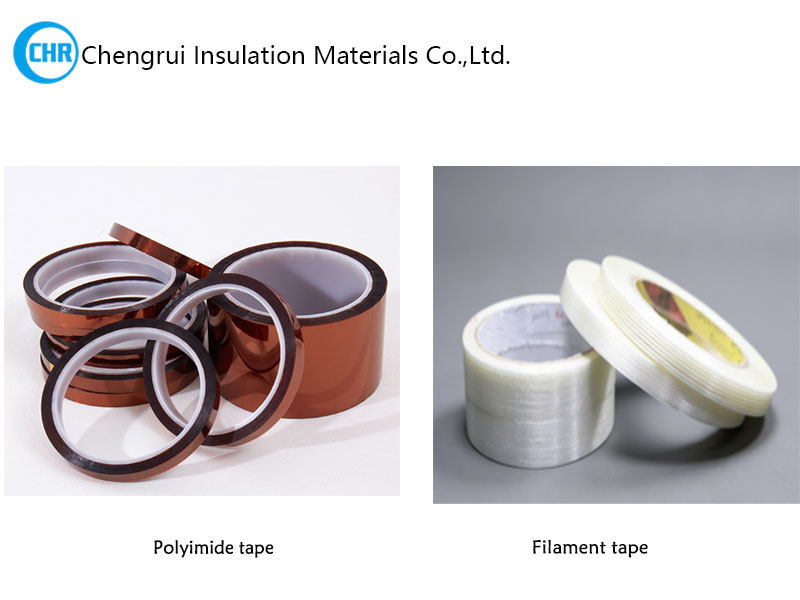
Filament tape is designed for high tensile strength and mechanical holding power. It contains reinforcing fibers embedded in a film backing, providing low stretch and strong resistance to pulling forces.
In motor and transformer production, it is often used to secure windings or anchor leads during assembly.
Typical applications:
Coil banding and securing
Lead wire anchoring
Mechanical stabilization during winding processes
While many grades provide electrical insulation, filament tape is primarily selected for its mechanical strength rather than high-temperature dielectric performance. Always verify the temperature rating for your insulation system.
Fiberglass tape is widely used in electrical insulation systems because of its heat resistance and structural stability.
The glass fiber base material withstands elevated temperatures and maintains strength under mechanical stress. Depending on the grade, it may be plain or coated to improve handling or environmental resistance.
Typical applications:
Motor winding reinforcement
Transformer insulation structures
Areas exposed to continuous thermal stress
Fiberglass tape is often used where insulation must serve both electrical and structural roles, particularly in higher-temperature motor and transformer designs.
Cotton insulation tape is valued for its flexibility and conformability. It easily wraps around irregular shapes and tight winding areas.
In many motor manufacturing processes, cotton tape is used together with varnish impregnation. The tape absorbs varnish and becomes part of the integrated insulation structure.
Typical applications:
End-winding binding
Lead wrapping
Flexible reinforcement in varnish-based insulation systems
Cotton tape is generally chosen for process compatibility and ease of handling, rather than extreme temperature resistance.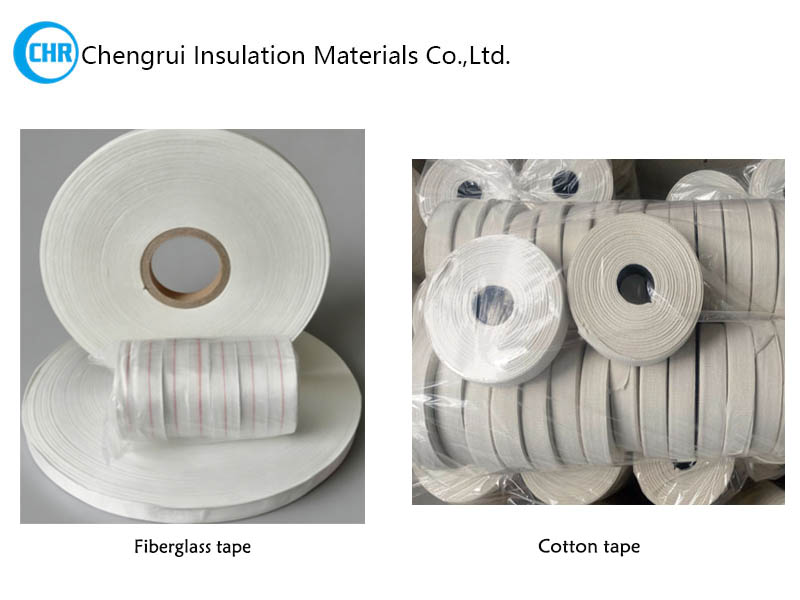
Summary of Differences
Polyimide tape → best for high-temperature electrical insulation
Filament tape → best for strong mechanical binding
Fiberglass tape → best for heat-resistant structural reinforcement
Cotton tape → best for flexible binding in varnish systems
Each tape serves a different function within the insulation system. Selecting the correct type improves both manufacturing efficiency and long-term reliability.
Frequently Asked Questions
Q1: What insulation tape is commonly used for motor windings?
A: Fiberglass tape and cotton tape are commonly used for winding reinforcement and binding, often in combination with varnish/resin impregnation processes.
Q2:When should I use polyimide tape instead of fiberglass tape?
A: Use polyimide tape when you need thin, stable high-temperature dielectric insulation. Use fiberglass tape when you need heat-resistant mechanical reinforcement and stability in winding systems.
Q3:Does adhesive type matter in transformer and motor applications?
A: Yes. Adhesive performance can limit temperature capability and long-term stability. Confirm adhesive type and any relevant listings/specs for your insulation system
Conclusion
To choose electrical insulation tape correctly for motors and transformers, start with the job function (dielectric insulation vs binding), then verify temperature capability, mechanical needs, and process compatibility (especially impregnation). Polyimide, filament reinforced, fiberglass, and cotton tapes each play different roles within insulation systems.
If you share your operating temperature, whether the winding is impregnated, and where the tape is applied (slot/phase/end-winding/lead anchoring), you can narrow down the best tape type quickly.


Quick Quote