Difference Between Electrical Cable Paper and Insulation Presspaper
In the field of electrical engineering, two paper-based materials with similar names play completely different roles: Cable Paper and Presspaper (Insulation Pressboard). Choosing between them is not a matter of preference but of function. Let's break down their core differences.
Characteristics of Cable paper and presspaper
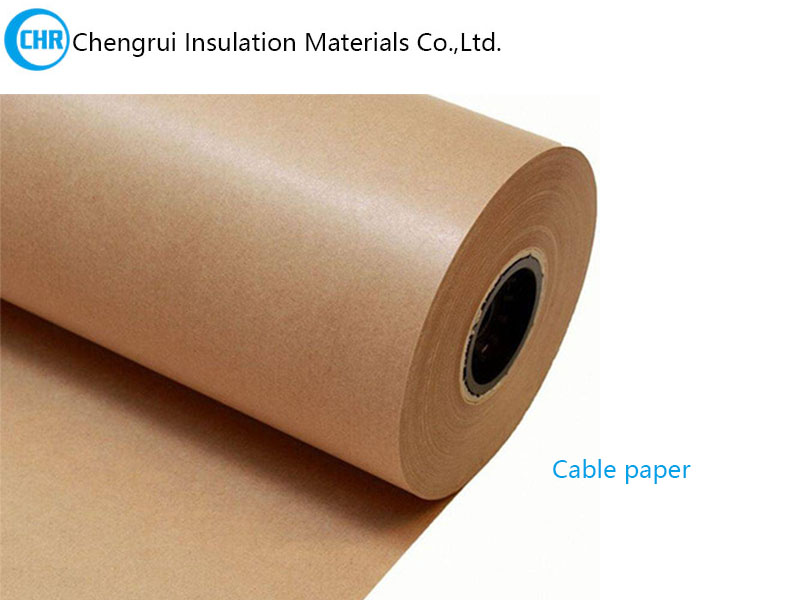
Cable Paper is essentially a high-purity specialty paper. It is supplied in rolls, possessing excellent flexibility and wrap-ability, and is specifically designed for wrapping or lapping around conductors.
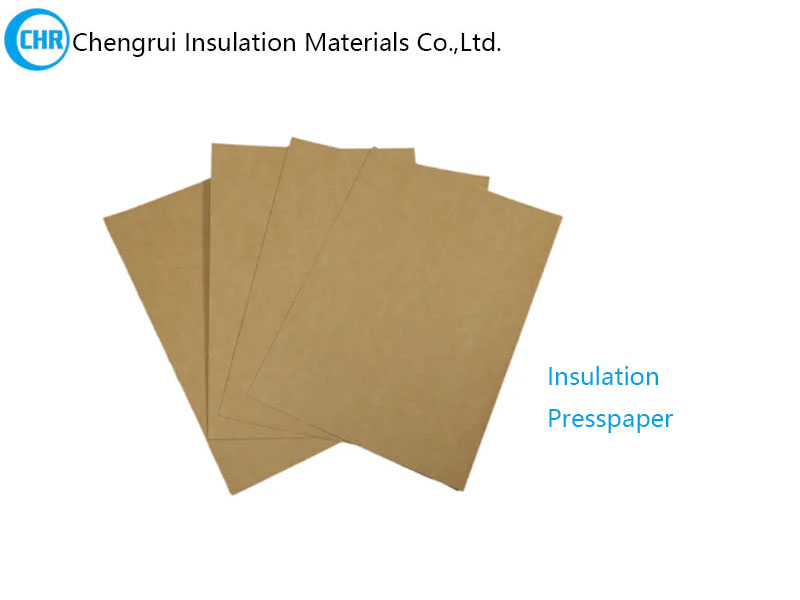
Insulation Presspaper is a dense laminated material. Its primary commercial form is rigid or semi-rigid sheets/boards of various thicknesses, known for high mechanical strength and dimensional stability. While thinner grades (e.g., below 1mm) may have some bendability, its main intended use and design purpose is as a structural component. Its "flexibility" is far inferior to that of cable paper and cannot replace the wrapping function of cable paper.
Manufacturing Process
Cable Paper is produced using a refined papermaking process. Pure wood pulp is processed, formed, and dried into thin, uniform sheets. The core goal is to ensure extremely high chemical purity and dielectric consistency.
Presspaper undergoes a chemical and physical transformation. The base paper is impregnated with a chemical solution (e.g., zinc chloride), which gelatinizes the fibers. Multiple layers are then stacked and fused under high temperature and pressure into a uniform, dense mass, followed by thorough washing. This process is known as "vulcanization" or "hardening."
Performance Advantages
Cable Paper excels in superior electrical insulation properties: high dielectric strength and low dielectric loss. It is the active functional material within the insulation system.
Presspaper excels in outstanding mechanical and structural properties: high mechanical strength, hardness, wear resistance, and good machinability (can be turned, milled, drilled). It is first and foremost a structural component that also provides insulation.
Application
Uses for Cable Paper: Serves as the main insulation layer on conductors in oil-immersed transformers, high-voltage power cables, and bushings. It always works in synergy with an impregnating agent (oil or resin) to form a composite oil-paper insulation.
Uses for Presspaper: Used to manufacture structural insulating components, such as motor slot wedges, transformer barriers and spacers, insulating end rings, terminal boards, etc. It provides physical support, separation, and insulation.
Cable Paper is like high-tech insulating fabric—it is the functional wrapping layer that provides basic protection.
Presspaper is like the reinforcing insert in a backpack or an insole—it provides shape, support, and rigidity to the entire structure, while itself possessing insulating properties. A thinner insert can bend, but it is never used for wrapping.
Conclusion
Although both originate from cellulose, Cable Paper and Presspaper are engineered materials designed for different purposes. One acts as a dielectric wrap for conductors, the other as an insulating structural part for equipment. Understanding this fundamental difference—wrapping vs. supporting, functional layer vs. structural component—is crucial for correct material selection in electrical systems, ensuring safety and performance. Thank you for the expert feedback, which has made our description of presspaper as a "rigid or semi-rigid board" more precise.


Quick Quote